
Helsingør havn
Shipping, culture and business in
a historic setting
A vibrant port in the heart of Helsingør — from international cruise ships to local businesses and maritime heritage.
PRACTICAL INFORMATION
Port Information
Find everything you need for a smooth port call or visit. We have brought together specifications, regulations and practical services in one place for ships and the public.
About the port
A vibrant community
by and on the water
The Port of Elsinore is more than a port of call; it is the beating heart of the city. As a modern, municipally owned autonomous port, we work to balance efficient ferry services, growing cruise tourism and a flourishing cultural scene — all with respect for our unique historic setting and the surrounding marine environment.
Best suited to
Smaller cruise ships / niche and luxury port calls
Max. LOA
150 m
Depth
6.8 m
Quay / access type
90 m jetty
Distance to city centre
Approx. 0.2 km
Shuttle buses
Not required
Distance to Copenhagen Airport
Approx. 60 km
ISPS
Yes
Pilotage
Available, but not compulsory
Shore power
Only for smaller vessels, 160 A / 50 Hz
Waste reception
Available
Bunkers
Can be arranged by bunker barge from Copenhagen
Tourist information
Available at the port
Terminal / tent facilities
Available
X-ray
Available on request
Parking
Available / can be arranged
Best suited to
Larger cruise ships at anchorage
Max. LOA
No maximum length specified
Depth
20 m+
Quay / access type
Floating tender pier with a solid ramp
Distance to city centre
Approx. 200 m from the tender pier
Shuttle buses
Not required
Distance to Copenhagen Airport
Approx. 60 km
ISPS
Yes
Pilotage
Not required at anchorage
Shore power
Not available for cruise ships
Waste reception
Not available at anchorage
Bunkers
Not available at anchorage
Tourist information
Available at the pier
Terminal / tent facilities
Available by arrangement
X-ray
Available on request
Parking
Can be arranged on request
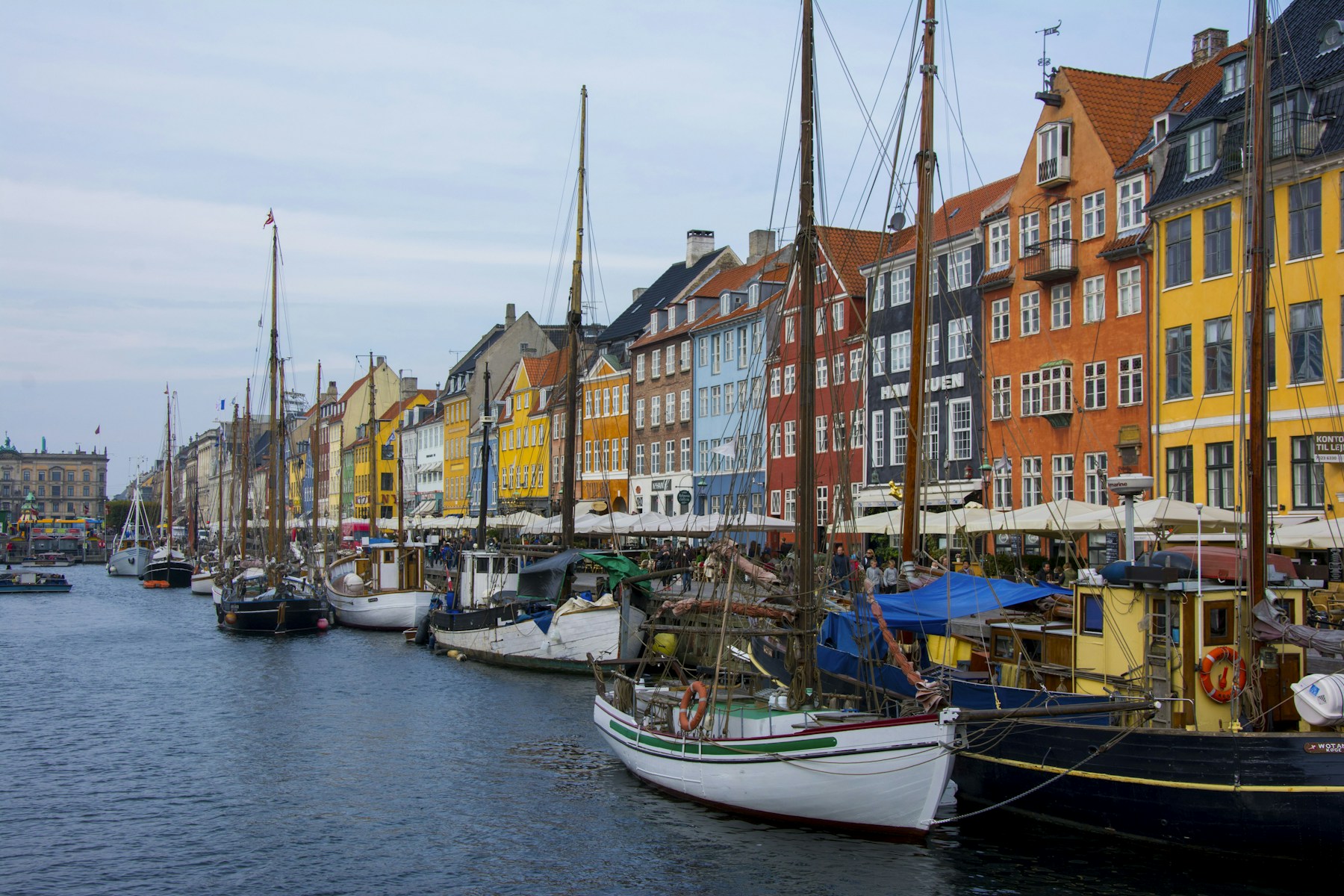
Direct access to the city
Guests arrive in the heart of Helsingør, with no shuttle bus required.
Quay or anchorage
Royal Quay for smaller ships. Anchorage and tender pier for larger ships.
ISPS-certified
Safe passenger handling with certified port facilities.
Waste handling
Royal Quay provides suitable waste reception facilities.
Close to CPH Airport
Approx. 60 km to Copenhagen Airport.
Crew-friendly location
Crew can use the Culture Yard, with Wi-Fi, toilets and quiet areas.
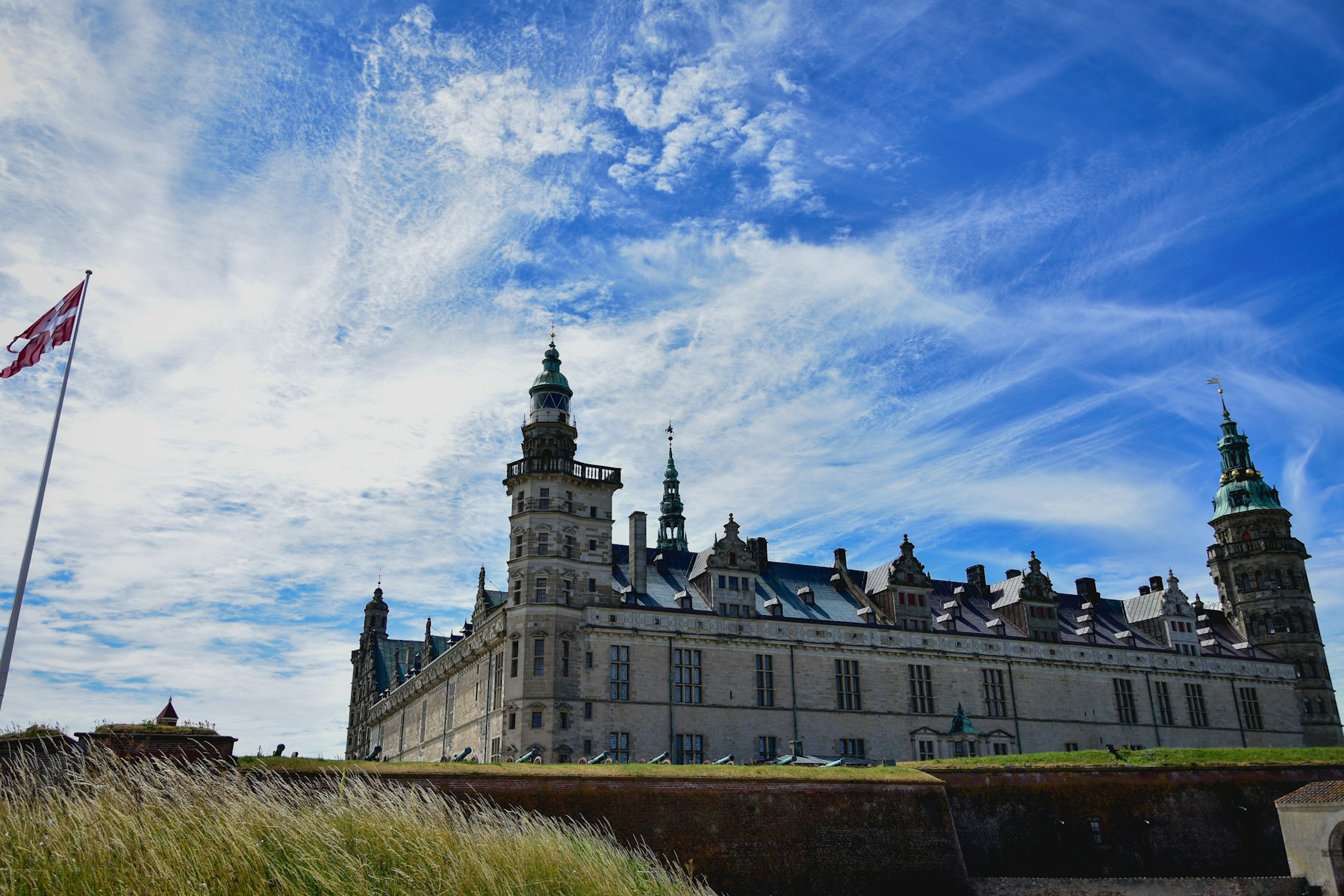
heritage
Kronborg Castle
UNESCO World Heritage Site
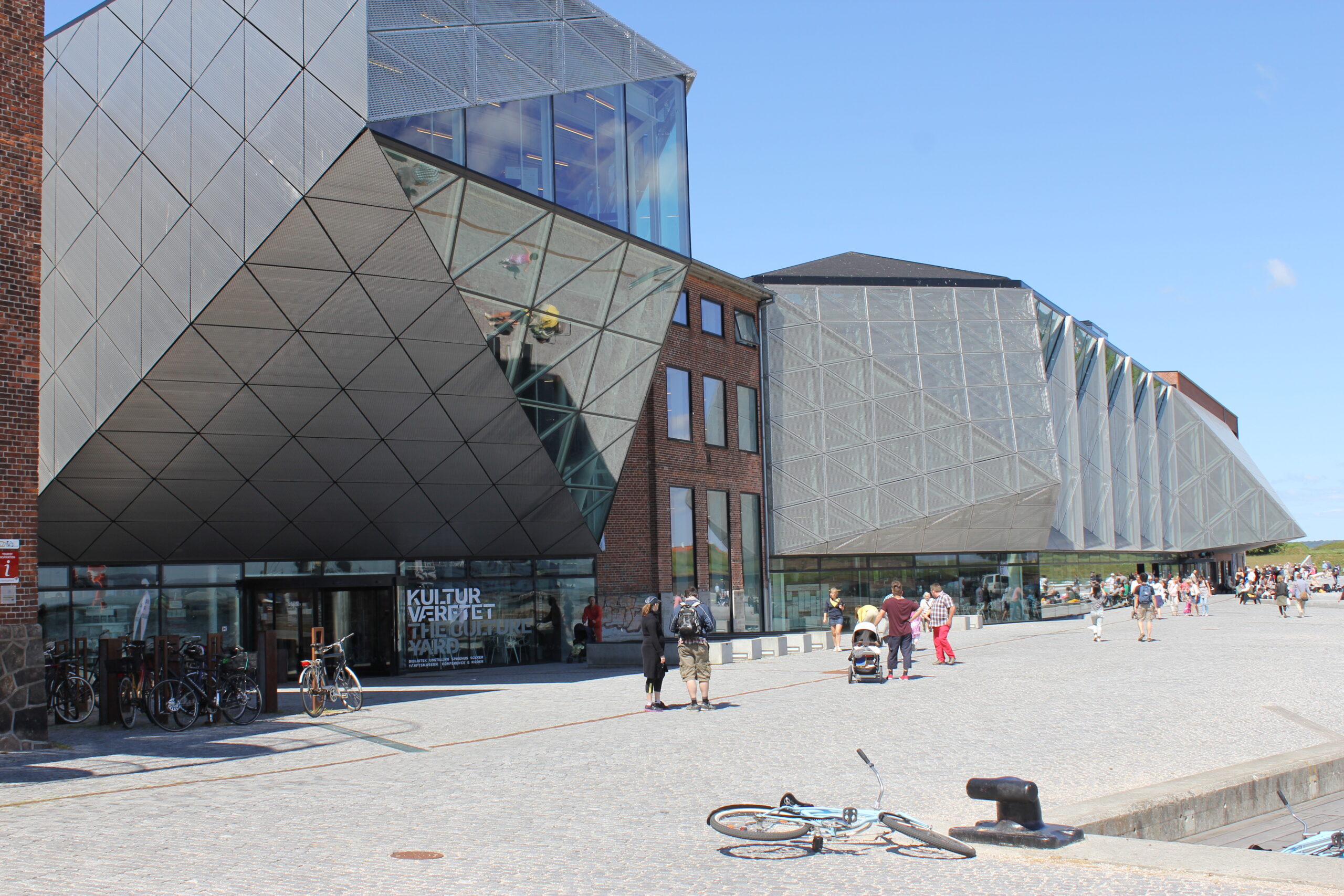
CUlture
The Culture Yard
Kronborg Culture Harbour
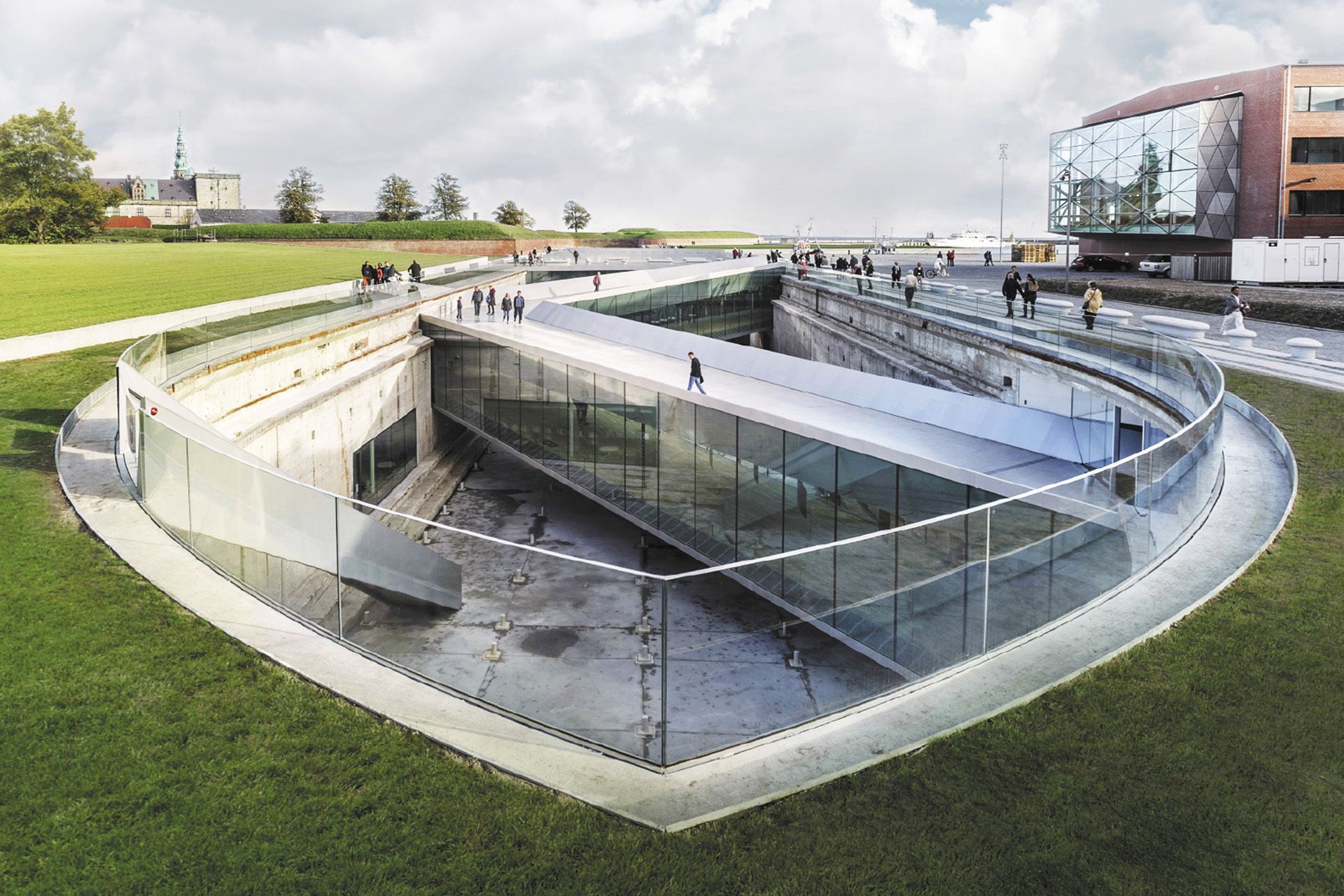
museum
Maritime Museum
M/S Maritime Museum of Denmark
THE CITY
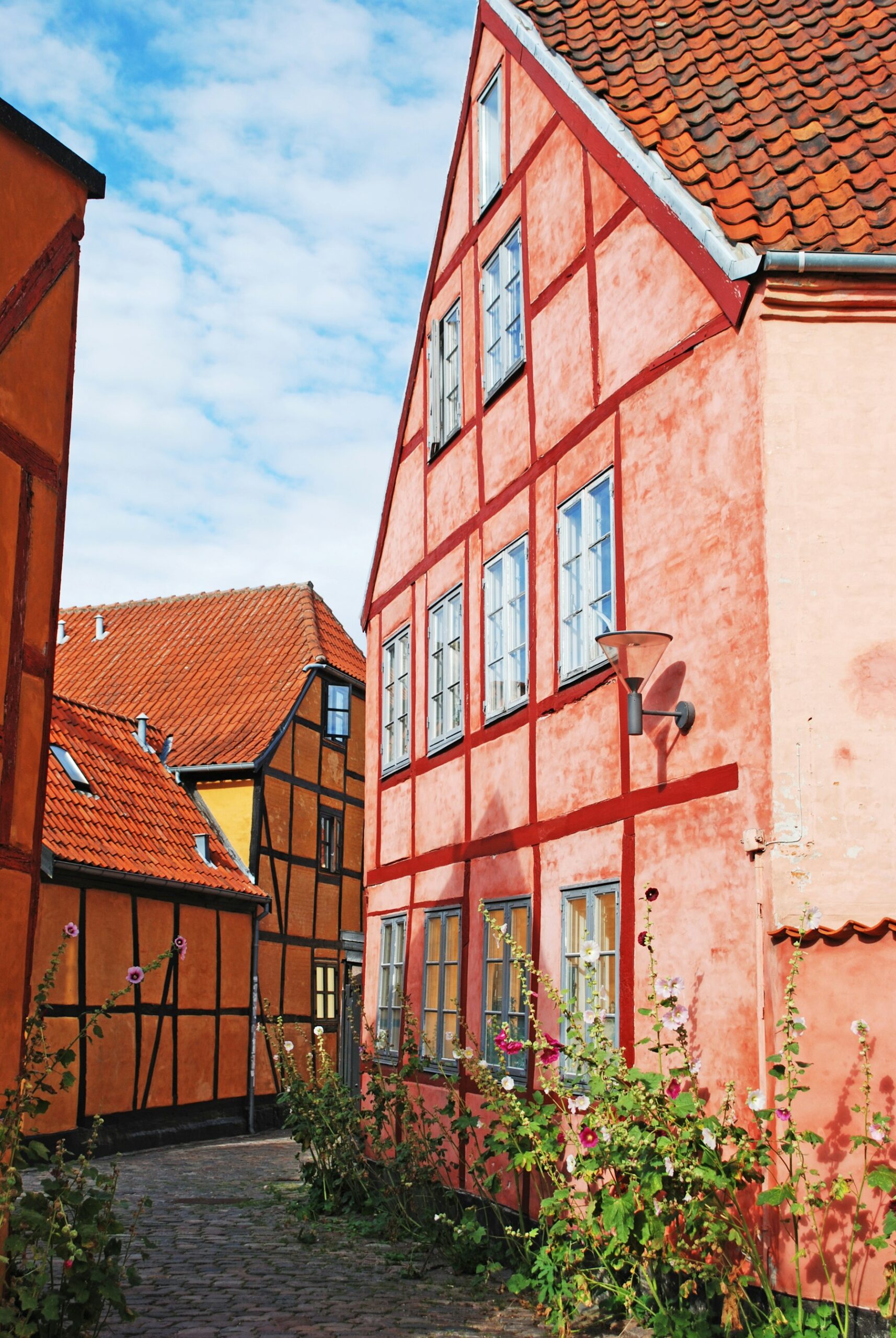
Historic City Centre
Medieval streets and architecture
DINING
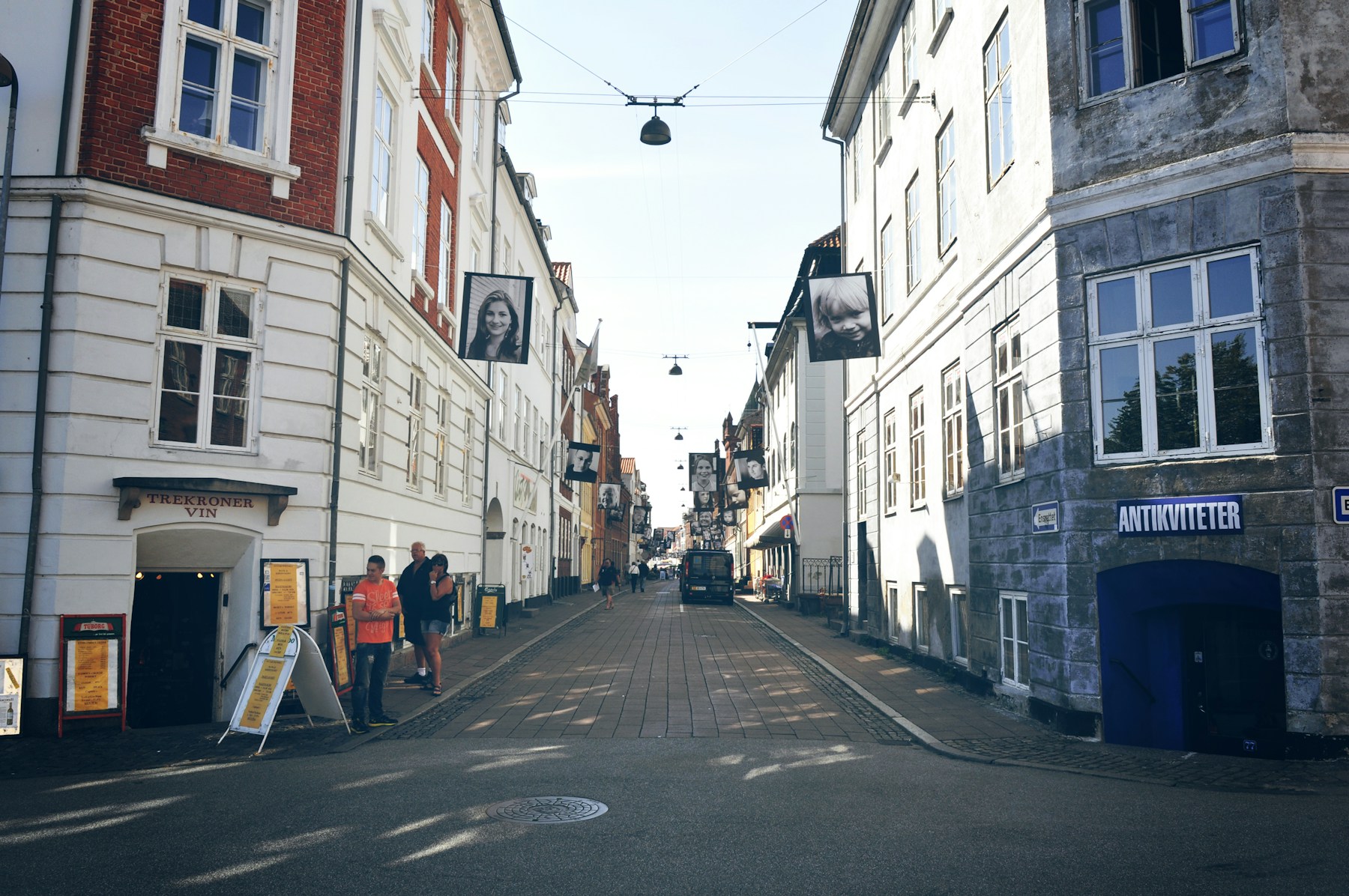
Local Gastronomy
Danish cuisine and waterfront dining

NATURE
North Zealand
Beaches, forests and castle
HISTORY
600 years
maritime heritage
1426
The Sound Dues are introduced, and Helsingør becomes a regular stopping point for ships passing through Øresund.
1497
The Sound Toll Registers begin, systematically documenting trade through Øresund.
1567
The toll is linked to the value of the cargo, increasing revenue and the city’s maritime importance.
1574
Construction of Kronborg begins as a prominent symbol of control over Øresund.
1629
Kronborg burns down and is rebuilt, retaining its strategic role by the Sound.
1658
Denmark loses Scania, and Øresund becomes the maritime border with Sweden.
1720
Sweden’s exemption from the toll ends, and Denmark regains revenue from Swedish shipping.
1857
The Sound Dues are abolished, and Helsingør loses its historic main source of maritime revenue.
1882
Helsingør Shipyard is founded, marking the start of the city’s industrial port era.
1915
The Trade and Maritime Museum opens, bringing maritime history to life as cultural heritage.
1955
The large dry dock is built, expanding the shipyard’s industrial capacity.
1983
Helsingør Shipyard closes, bringing the shipbuilding era to an end.
2000
Kronborg becomes a UNESCO World Heritage Site, gaining international recognition.
2010
The Culture Yard opens, bringing new life to the former shipyard area.
2013
M/S Maritime Museum of Denmark opens in the dry dock, reimagining the city’s maritime story.
Today
Helsingør serves as a cultural, cruise and leisure port, with history close to the quayside.